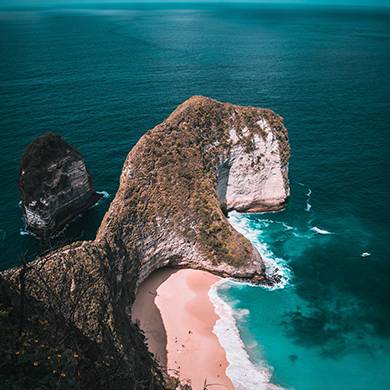

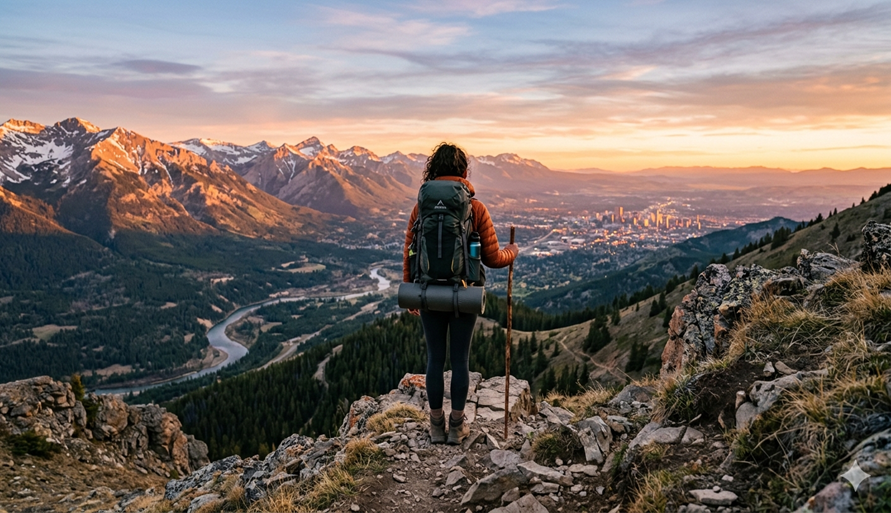
Traveling alone is one of the most empowering and life-changing experiences you can have. Whether you’re seeking adventure, self-discovery, or simply a break from routine, solo travel allows you to explore the world on your own terms. However, it also comes with unique challenges that require careful planning and awareness. This solo travel guide will help you plan your trip safely and smartly, ensuring you have a memorable and stress-free experience.
Why Choose Solo Travel?
Solo travel offers unmatched freedom. You can decide your itinerary, pace, and experiences without compromise. It’s also a great way to build confidence, meet new people, and step outside your comfort zone.
Some key benefits include:
- Total independence
- Personal growth and self-discovery
- Flexibility in planning
- Opportunities to meet diverse people
However, to fully enjoy these benefits, proper planning is essential.
Step 1: Choose the Right Destination
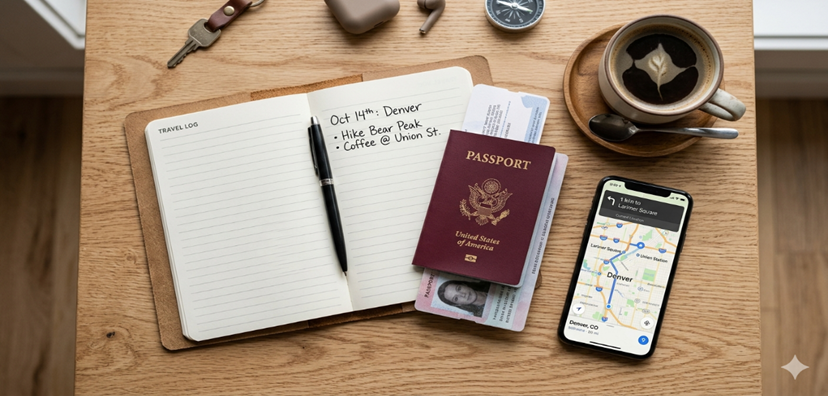
Not all destinations are equally suited for solo travelers. When selecting your destination, consider:
Safety
Research crime rates, local laws, and traveler reviews. Choose places known for being safe and welcoming to tourists.
Language
Traveling to a country where you understand the language (or at least basic phrases) can make your journey smoother.
Accessibility
Look for destinations with good public transport, clear signage, and reliable infrastructure.
Solo-Friendly Culture
Some countries are more accustomed to solo travelers and offer better support systems like hostels, guided tours, and social activities.
Step 2: Plan Your Budget Wisely
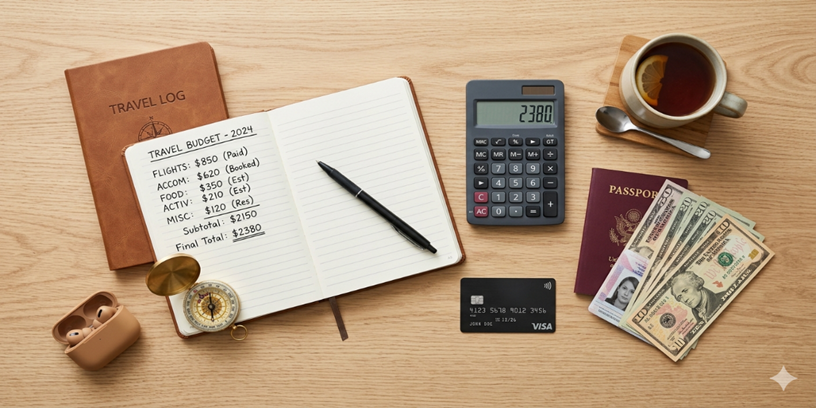
Budgeting is crucial for any trip, especially when traveling alone.
Include:
- Flights or transportation
- Accommodation
- Food and daily expenses
- Activities and tours
- Emergency fund
Tips:
- Use budgeting apps to track expenses
- Book flights and stays in advance
- Avoid carrying too much cash—use cards or digital payments
Having a financial cushion will give you peace of mind throughout your journey.
Step 3: Book Safe Accommodation

Your accommodation plays a major role in your safety and comfort.
Best options for solo travelers:
- Hostels (great for meeting people)
- Budget hotels with good reviews
- Verified Airbnb stays
What to check:
- Location (central and well-lit areas)
- Reviews from solo travelers
- Security features (locks, reception, CCTV)
Always share your accommodation details with a trusted person back home.
Step 4: Pack Smart and Light
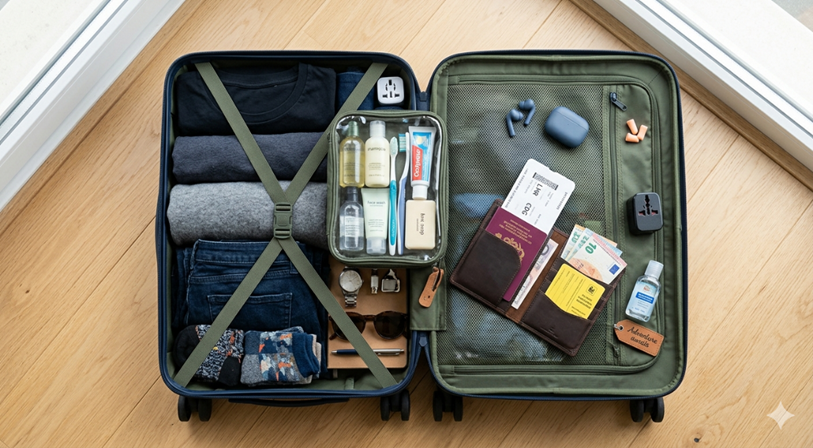
Packing efficiently is key to hassle-free travel.
Essentials:
- Important documents (passport, ID, insurance)
- Basic first-aid kit
- Power bank and chargers
- Comfortable clothing and shoes
Safety tip:
Keep digital and physical copies of your documents. Avoid carrying valuables unless necessary.
Packing light makes it easier to move around and reduces stress.
Step 5: Stay Connected
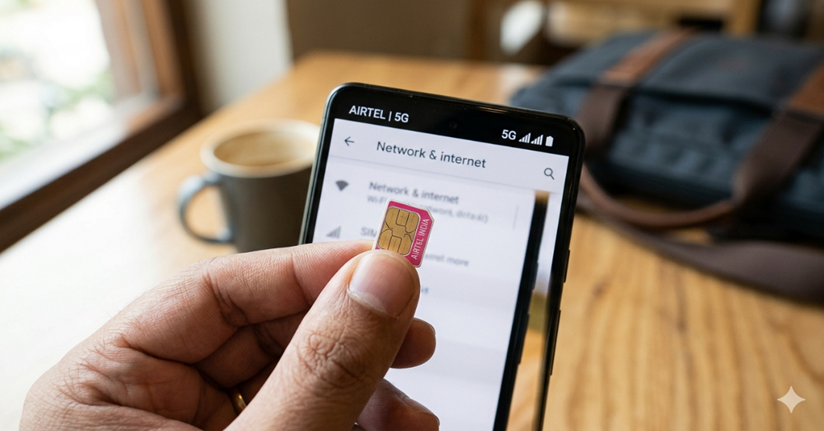
Being connected is essential for navigation, safety, and communication.
Must-haves:
- Local SIM card or international roaming
- Offline maps (like Google Maps)
- Emergency contacts saved on your phone
Useful apps:
- Navigation apps
- Translation tools
- Ride-hailing services
Always keep your phone charged, especially when exploring new places.
Step 6: Prioritize Safety
Safety should always be your top priority when traveling alone.
General safety tips:
- Avoid sharing your exact location with strangers
- Stay aware of your surroundings
- Trust your instincts
- Avoid isolated areas at night
Extra precautions:
- Keep your belongings secure
- Use anti-theft bags
- Don’t disclose that you’re traveling alone unless necessary
It’s better to be cautious than regretful.
Step 7: Plan Your Itinerary (But Stay Flexible)
Having a plan helps you make the most of your trip, but flexibility is equally important.
Plan:
- Key attractions
- Transportation routes
- Daily schedule
Stay flexible:
- Leave room for spontaneous experiences
- Adjust plans based on weather or local recommendations
Balance is the key to a fulfilling solo trip.
Step 8: Meet People (Safely)
Solo travel doesn’t mean being alone all the time. It’s actually easier to meet new people when traveling solo.
Ways to connect:
- Join group tours
- Stay in social hostels
- Attend local events or workshops
Safety note:
Meet in public places and avoid sharing too much personal information initially.
Step 9: Enjoy Dining Alone
Eating alone can feel awkward at first, but it’s part of the solo travel experience.
Tips:
- Bring a book or journal
- Sit at communal tables
- Try local street food
Use this time to relax and reflect on your journey.
Step 10: Capture and Document Your Journey
Documenting your experiences makes your trip more meaningful.
Ideas:
- Keep a travel journal
- Take photos and videos
- Share your journey on social media or a blog
These memories will stay with you forever.
Step 11: Prepare for Emergencies
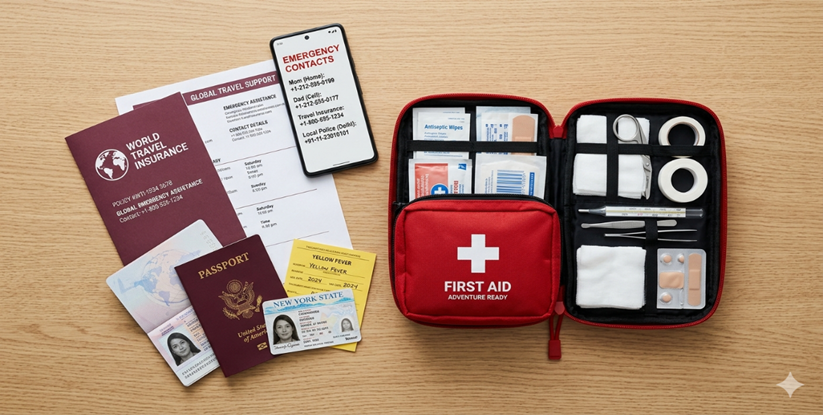
Unexpected situations can arise, so it’s important to be prepared.
Essentials:
- Travel insurance
- Emergency contacts
- Knowledge of local emergency numbers
Backup plan:
Always have a Plan B for accommodation, transport, or finances.
Final Thoughts
Solo travel is more than just a trip—it’s a journey of self-discovery and independence. While it may seem intimidating at first, proper planning and smart decisions can make it one of the most rewarding experiences of your life.
By following this solo travel guide, you can travel confidently, stay safe, and make unforgettable memories along the way.
So pack your bags, trust yourself, and take that first step toward your solo adventure. The world is waiting for you!